The Spitzmühle
The mill at the Point
Spitz, the point: it is named after the spot where the branches of the river divide.



Petite France · Strasbourg
Its history sits alongside that of the other mills in this quarter, and it is the only one of them still standing intact today.
History in brief
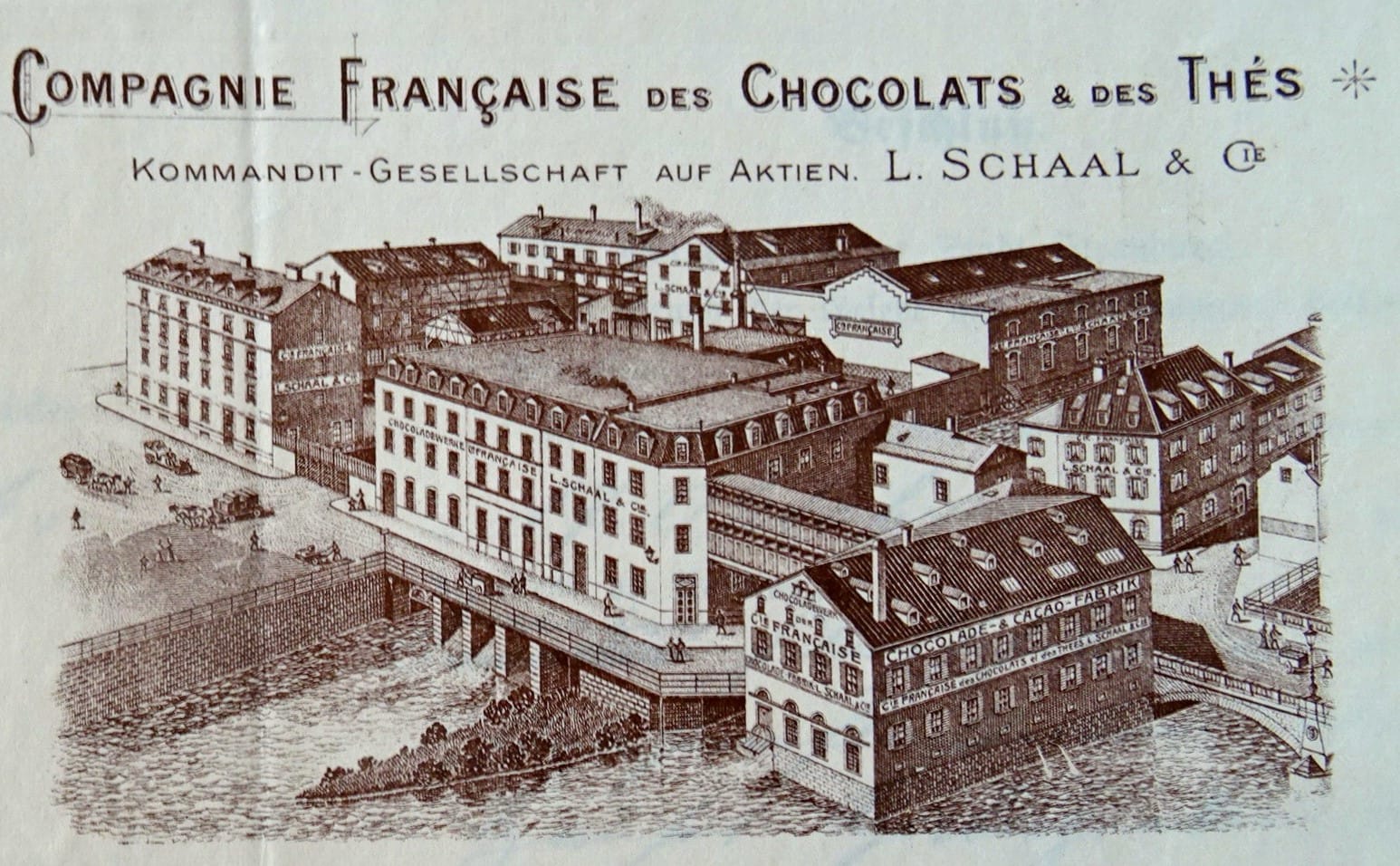
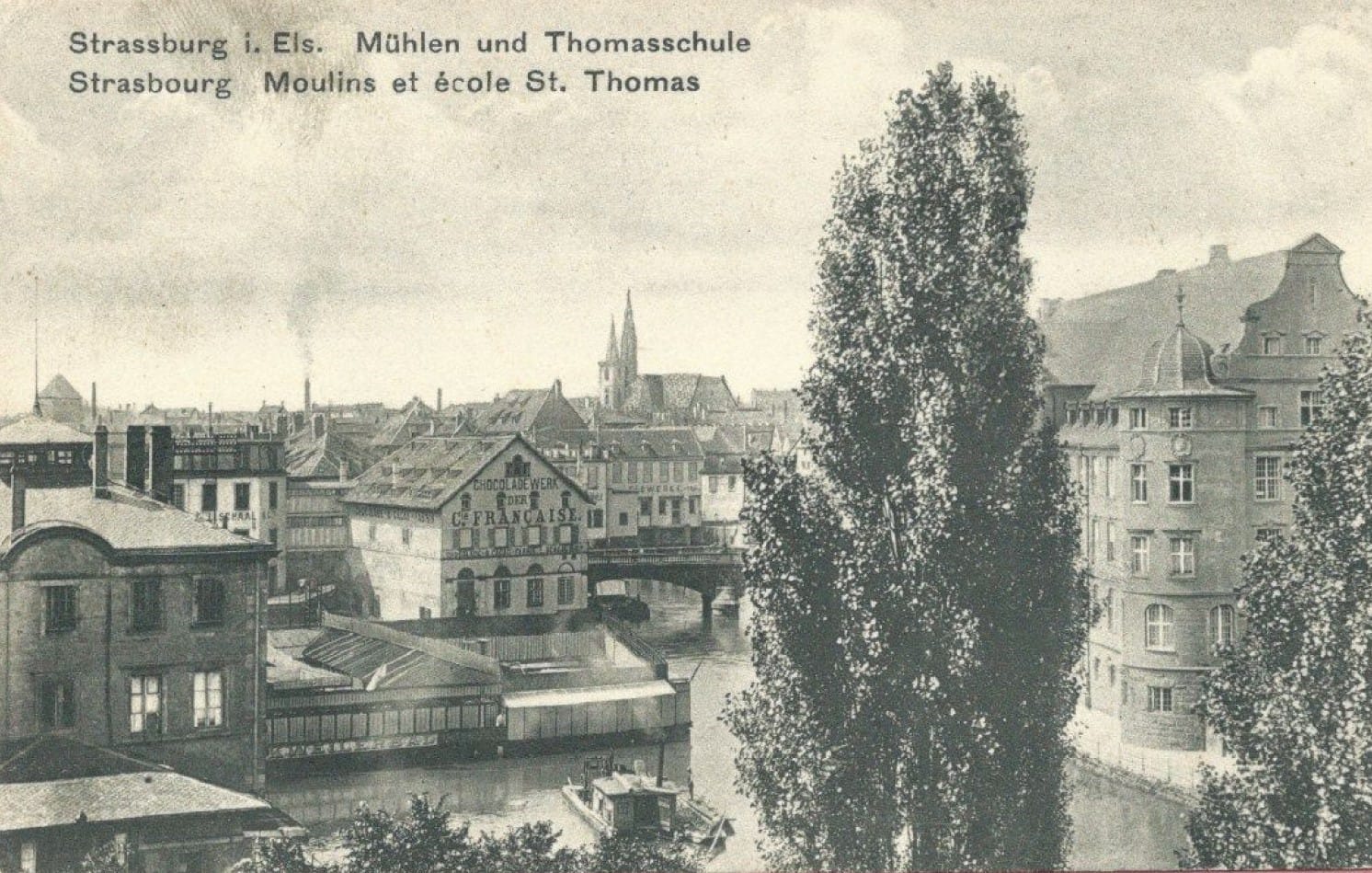
By the early 17th century, this quarter had several mills, mostly for grinding grain with the power of the fast-flowing water. On the branches of the Ill, one of them was used specifically for grinding spices, as well as dye woods and other colonial goods: the Würtzmühle.
“Le Moulin aux Épices” is the French translation of the building’s historic name. Today it is the name of an 82 m² apartment taking up part of the ground floor of the Würtzmühle, just above the water, with an open view of the Ill, its swans, its ducks and its tour boats. Here is the story of the building, and of the quarter around it.
From the 12th century onwards, the city of Strasbourg began channelling the four branches of the Ill.
The Würtzmühle was built between 1619 and 1621, the year it was completed.
The Grande Île, Petite France included, became a UNESCO World Heritage Site.
The mills of the Ill
A mill was named after whatever set it apart: a place, a family, a kind of goods.
The mill at the Point
Spitz, the point: it is named after the spot where the branches of the river divide.
Mills named after their millers
Two names carried like a shop sign: that way people knew whose mill they were taking their grain to.
The spice mill
Würz, spice: the only one of the mills named after neither a family nor a place, but after what was ground to powder there.
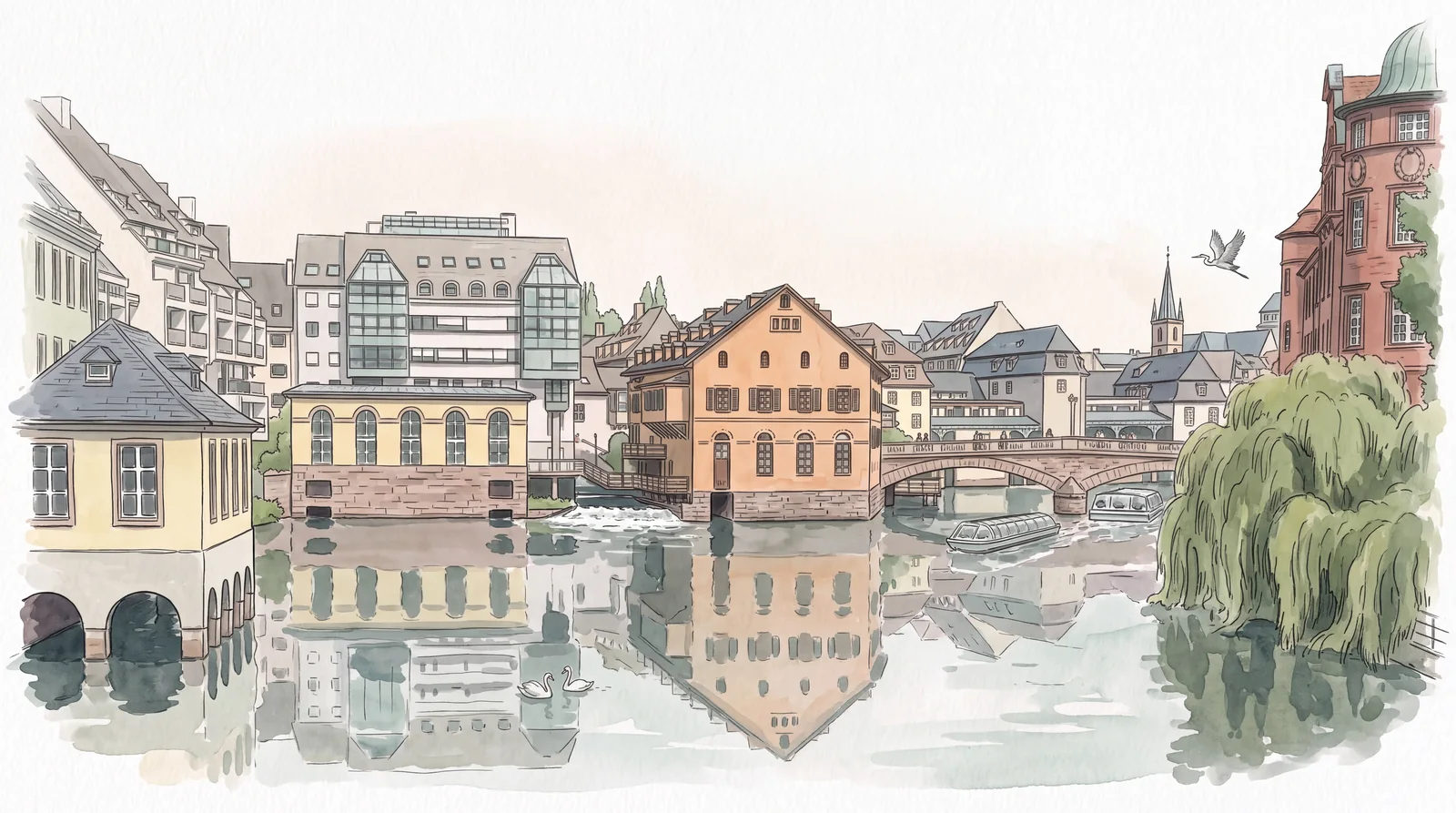
The Moulin in its quarter
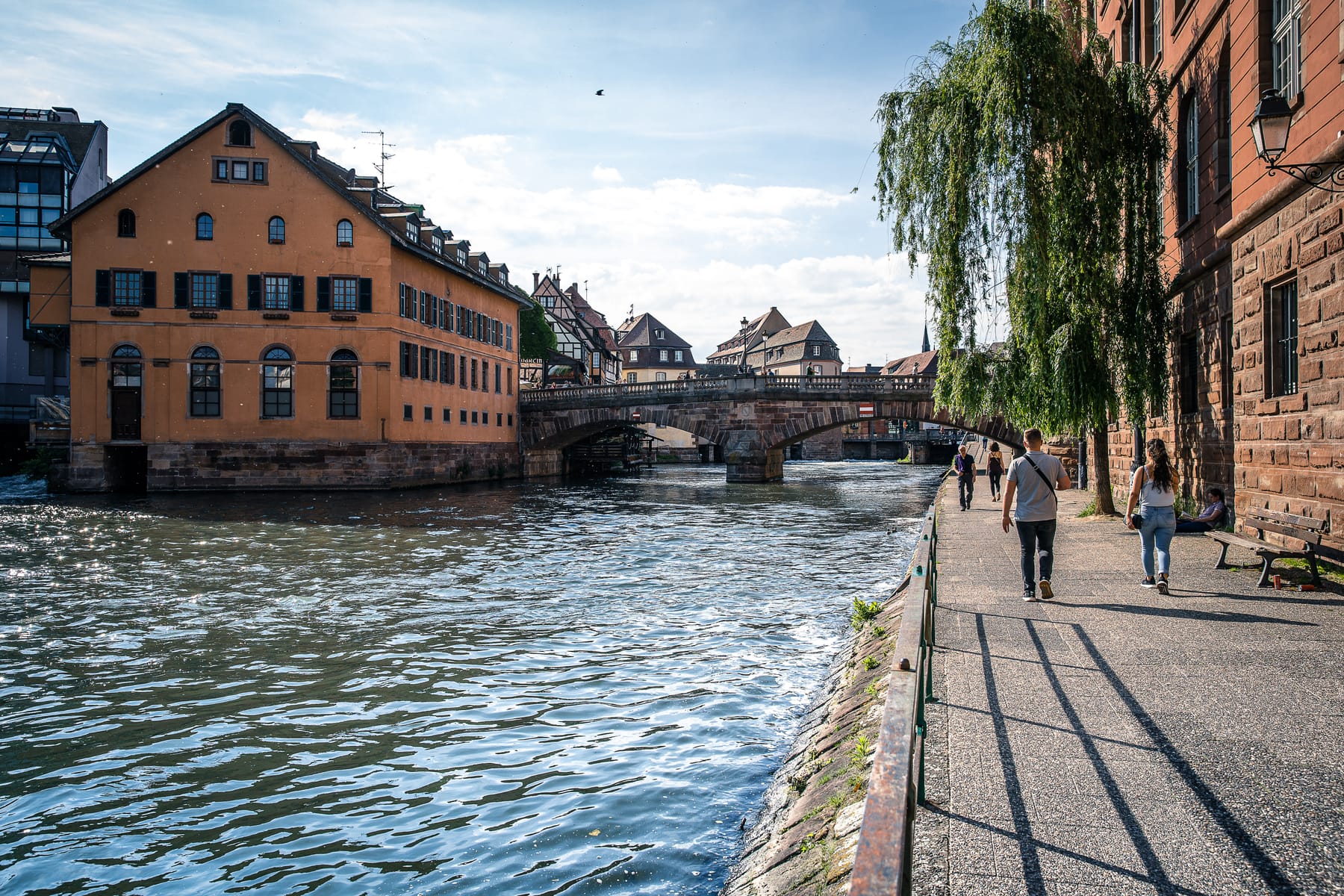
Petite France seen from the Pont Saint-Thomas: the Moulin in the middle, the waterfall to its left, the Pont Saint-Martin to its right, and the Ill flowing on either side of the building and underneath it.
Seven centuries
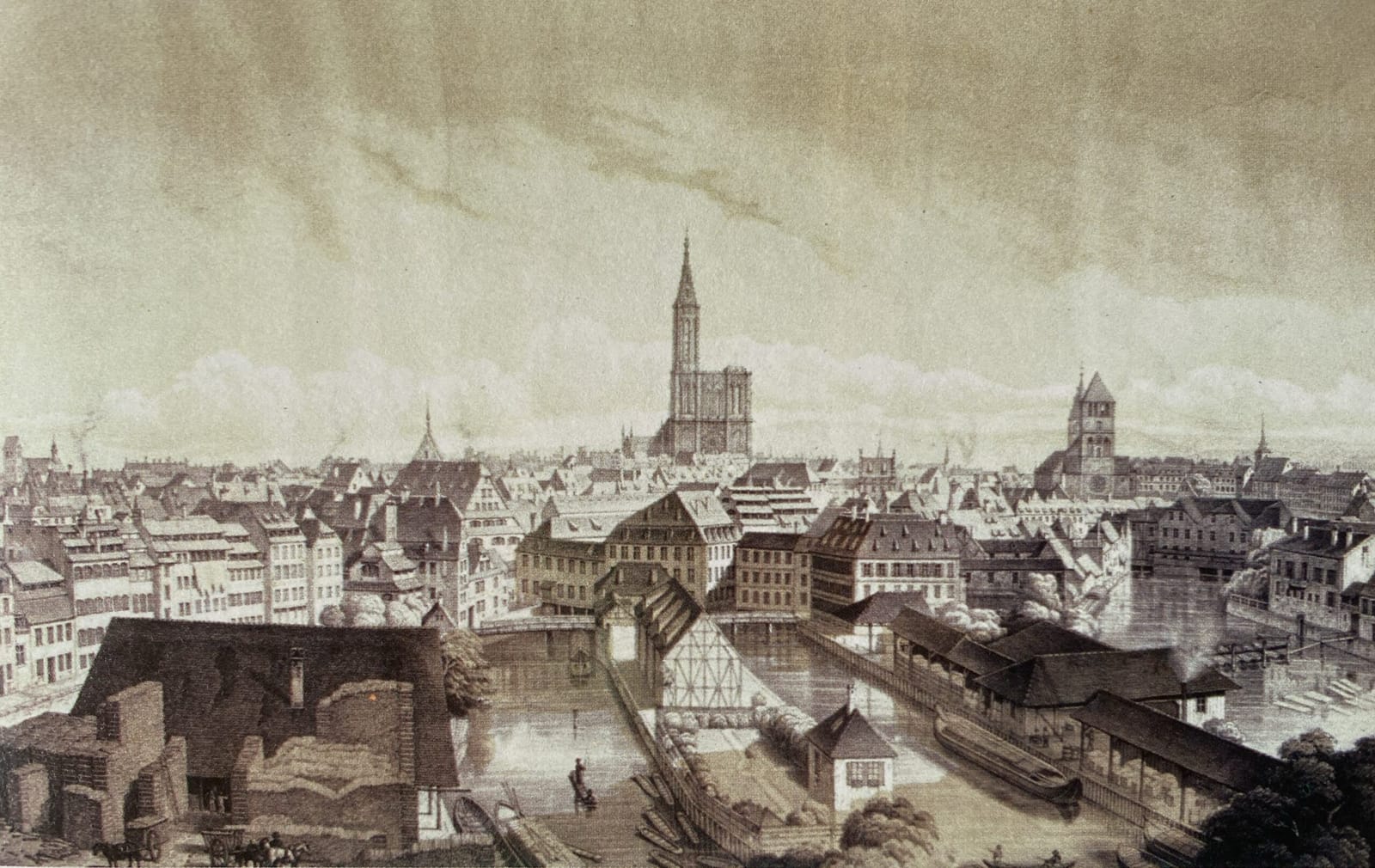
South-west of Strasbourg, the Ill, a river 217 km long, divides into four branches at the Ponts Couverts. Once channelled, they give fast, steady water: a powerful source of energy. The trades that cannot do without it settle there: fishermen, boatmen, millers and above all tanners, whose leatherwork needs constant rinsing. The branches are also home to many public baths.
Far from the grand houses around the cathedral, this is a working-class quarter of tall half-timbered houses and narrow lanes. People rarely venture into this tangle of hovels, sheds and workshops unless they have business there.
Water as a source of food
The river trades: fishing, and also carrying goods by boat.
Water as motive power
The current, fast and steady, turns the wheels. Each mill holds its own branch of the river, and its own name, as we saw above.
Water for rinsing leather
Their work needs constant rinsing. The large open lofts still visible at the top of the façades are not there for decoration: this is where the hides were hung to dry.
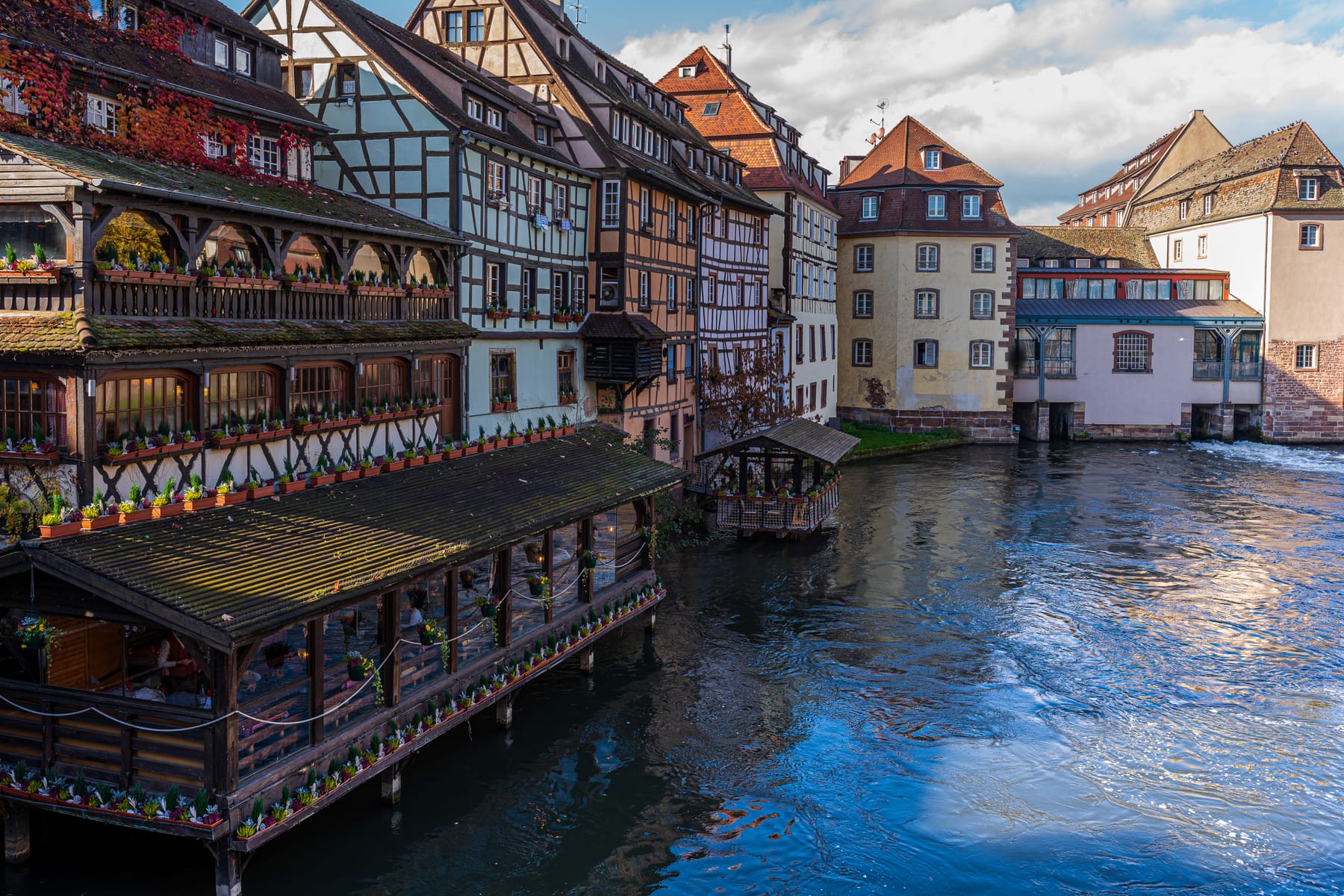
They are also what you see, lit up at night, at the very top of this page.
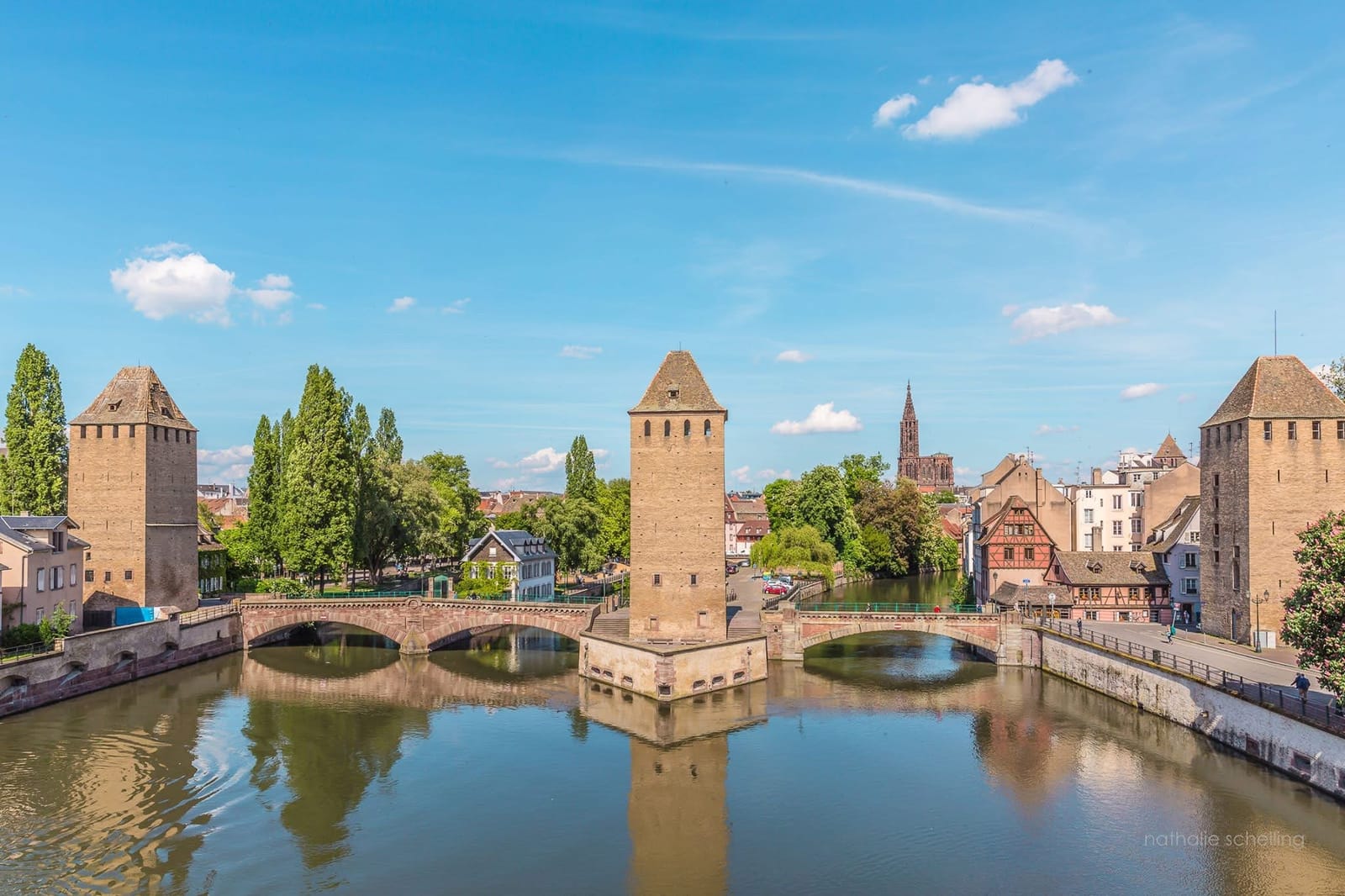
On the branches of the Ill, each mill has a name, taken from a place or a family. And each mill gives its name to the canal it stands on, so the names of the mills and canals serve as landmarks for finding the streets. Only the Würtzmühle is named after what was ground there, spices, and it never gave its name to a canal. It stands right at the end of the canal of the Zornmühle (now gone). The names, above.
As we have said several times already, Strasbourg’s spice mill is called the Würtzmühle in German. It owes the name to its original purpose: spices, dye woods and other precious goods from the trade routes were crushed, ground and milled there. This was rare and costly material, and it had to be ground to powder as close to the merchants as possible.
The building stands on piers in the water, which lets the river flow between them. The raw spices were delivered by boat. Hence its position: not on the bank like the other mills, but above the water.
Both dates are in circulation; we have not settled the question.
The area known as “La Petite France”, including all the buildings around the canals, is part of it. Strasbourg was the first French city to have an entire urban centre listed, rather than a single monument.
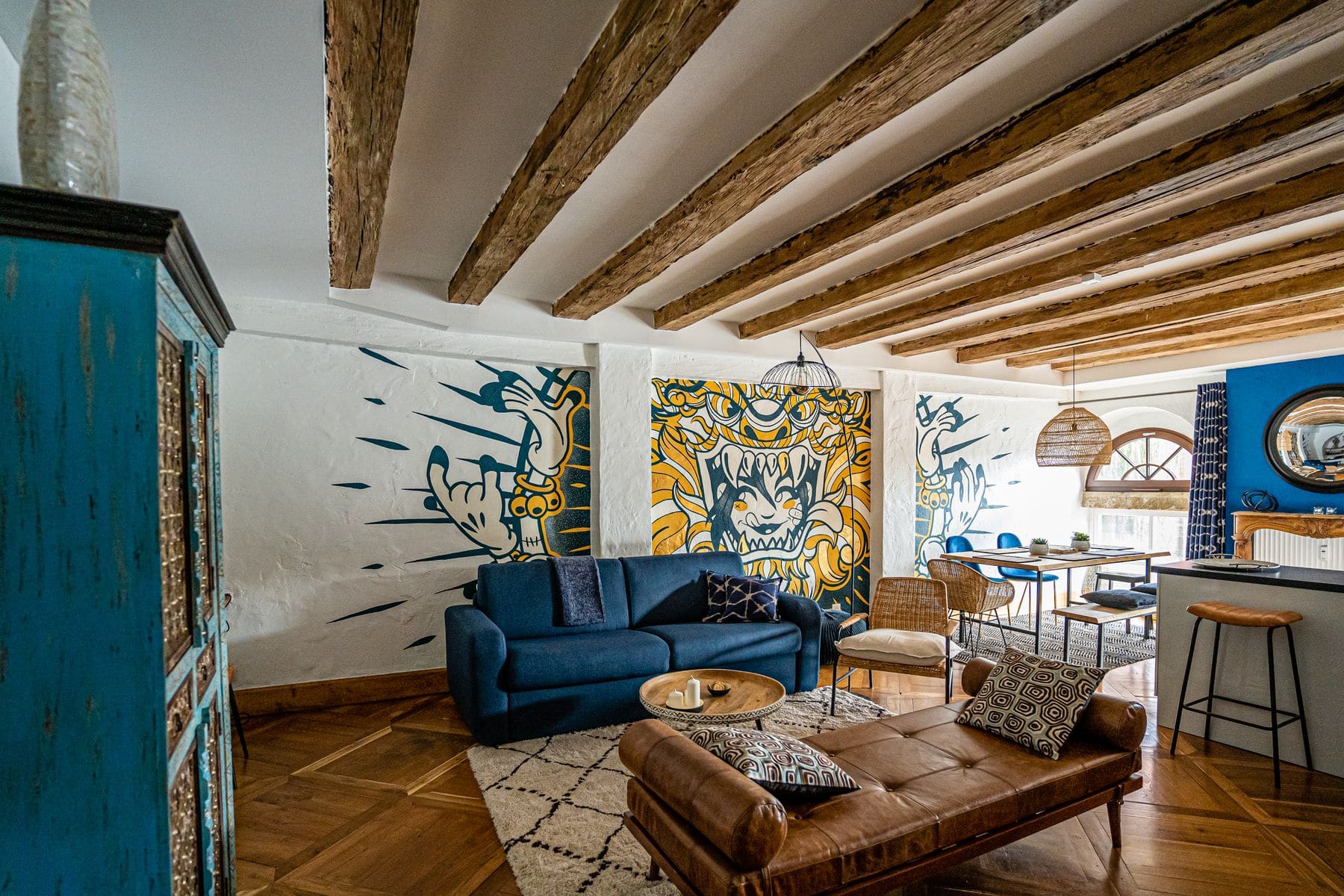
The exposed beams, the irregular rooms and the round arches in Vosges sandstone belong to the Würtzmühle. The fine old Indonesian parquet, the large stone flags from the Chapelle de Xertigny, the Moroccan copper and the beautiful old carved wooden doors, on the other hand, were found by successive owners in antique and second-hand shops, and they give the place its own particular character.
The centrepiece of the decoration is a mural seven metres by two, painted by the artist @William specially for this apartment, in the blues and golds of Asian temples, which always bring to mind the warmth of spices.
The origin of the name “Petite France” is less charming than it sounds. The quarter takes its name from a hospice opened on rue des Moulins to isolate people with syphilis, which at the time was called the French disease.
The mill no longer grinds anything: people sleep here, and the river runs past it and underneath.
Petite France, Strasbourg
Getting here and parking, in detail
Book onAirbnbBooking.com